Salt-Based Water Softeners
Ion exchange systems that remove calcium and magnesium from hard water. The gold standard for eliminating scale buildup.
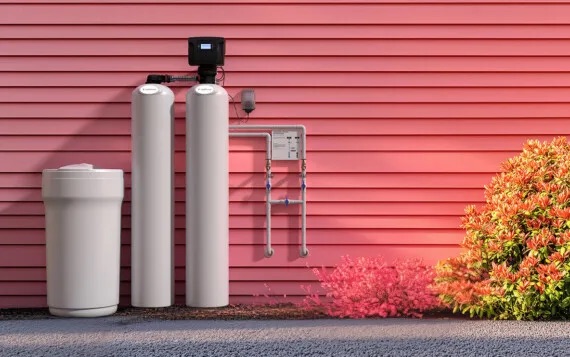
A salt-based water softener is the most effective way to remove hardness minerals (calcium and magnesium) from your home's water. It uses a process called ion exchange: water flows through a tank of resin beads charged with sodium ions, and the calcium and magnesium ions in hard water swap places with the sodium. The result is genuinely soft water throughout your entire home.
This is the standard treatment for moderate to very hard water (above 7 GPG or 120 PPM). If your hard water is causing scale buildup, appliance damage, or soap performance issues, a salt-based softener is the most proven solution available.
How Ion Exchange Works
The softener tank contains thousands of small resin beads with a negative charge. As hard water passes through, positively charged calcium (Ca2+) and magnesium (Mg2+) ions are attracted to the beads and held there. Sodium (Na+) ions on the beads are released into the water in exchange. One calcium ion replaces two sodium ions.
Over time, the resin beads become saturated with calcium and magnesium. The system then runs a regeneration cycle: it flushes a salt brine solution through the resin, which strips off the hardness minerals and recharges the beads with sodium. The waste brine goes down a drain. Modern metered systems regenerate based on actual water usage rather than a timer, which reduces both salt consumption and water waste.
What a Water Softener Fixes
Scale elimination is the primary benefit. Soft water prevents the white crusty buildup on faucets, showerheads, and inside pipes. Existing light scale may gradually dissolve over weeks to months. Appliance protection follows directly: water heaters, dishwashers, and washing machines last longer and run more efficiently without scale accumulation. A scale-free water heater uses 25% to 40% less energy than one coated in mineral deposits.
Soap and detergent performance improves dramatically. Soft water lathers easily and rinses cleanly. You will use 50% to 75% less soap, shampoo, and laundry detergent. Clothes come out softer and brighter. Skin feels smoother after showering. Glass and dishes dry spot-free.
What a Water Softener Does NOT Fix
A softener does not filter contaminants. It does not remove chlorine, PFAS, lead, bacteria, sediment, or any other contaminant. It only exchanges hardness minerals for sodium. If you have both hard water and contaminant concerns, you need a softener combined with a filtration system.
A softener also adds sodium to your water. The amount depends on your hardness level. At 10 GPG hardness, a softener adds approximately 75 mg of sodium per liter, which is roughly equivalent to a slice of bread. For most people this is negligible, but if you are on a very strict low-sodium diet, consult your doctor or use a potassium chloride salt alternative (which costs more but adds potassium instead of sodium).
Softened water is not recommended for watering plants, as the sodium can accumulate in soil. Most installations include an unsoftened outdoor spigot bypass.
Sizing Your System
The key specification is grain capacity. This determines how much hardness the system can remove before it needs to regenerate. To calculate what you need:
Multiply your hardness in GPG by the number of people in your household by 75 gallons per person per day. That gives you daily grain demand. Multiply by 7 for weekly grain demand. Choose a system with a grain capacity that matches or exceeds your weekly demand so it regenerates about once per week.
Example: A household of 4 with 15 GPG hardness needs 15 x 4 x 75 = 4,500 grains per day, or 31,500 grains per week. A 32,000 grain system fits well. A 48,000 grain system gives headroom for guests or increased usage.
Undersizing causes frequent regeneration (wastes salt and water). Oversizing is generally fine but costs more upfront.
Cost Breakdown
System cost ranges from $500 to $2,500 depending on capacity and features. Professional installation runs $200 to $500 in most markets. Annual operating costs include salt ($50 to $100 per year at typical hardness levels), increased water usage during regeneration ($10 to $30 per year), and electricity for the control valve (minimal, under $5 per year).
Total first-year cost: $700 to $3,000. Ongoing annual cost: $60 to $130. A quality system lasts 15 to 20 years, making the lifetime cost significantly less than the cumulative damage hard water causes to appliances, plumbing, and household efficiency.
Installation Considerations
A salt-based softener requires a cold water main connection (typically in the garage, basement, or utility room), a nearby drain for regeneration waste, and an electrical outlet for the control valve. The system is installed on the main water line after the water meter but before the water heater and household plumbing.
Many modern systems are designed for DIY installation with push-fit connectors. If you are comfortable with basic plumbing, you can save $200 to $500 on installation costs. Otherwise, a licensed plumber can complete the install in 2 to 4 hours.
Local regulations matter. Some municipalities restrict salt-based softeners due to the brine discharge impact on wastewater treatment. Check your local codes before purchasing. If restrictions apply, a salt-free conditioner is the alternative.
Top Salt-Based Water Softeners We Review
See comparisons
See comparisons
See comparisons
See comparisons