Filter + Softener Combos
All-in-one systems that combine filtration and softening. One purchase, complete water treatment.
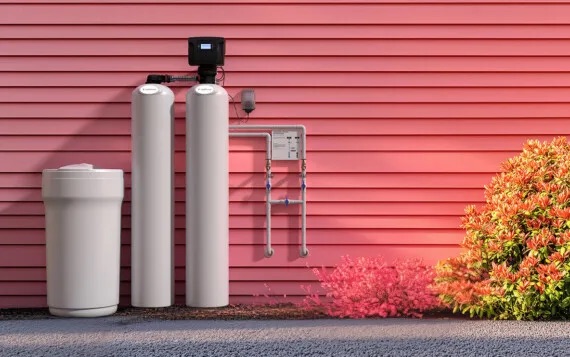
Why you might need both
The most common water treatment confusion is thinking one system solves everything. It does not. A water softener removes hardness minerals (calcium, magnesium) but does nothing about contaminants. A water filter removes contaminants (chlorine, PFAS, lead) but does nothing about hardness. If your water has both hard minerals AND elevated contaminants — which describes the majority of US municipal water — you need both systems working together.
A combo system integrates softening and filtration into a single unit or coordinated pair. This is the most complete treatment approach for city water, addressing both the economic damage of hard water and the health concerns of contaminants in one solution.
Installation order matters
The filter always goes first, before the softener. Here is why: chlorine in city water degrades softener resin over time. A carbon pre-filter removes chlorine before it reaches the softener tank, extending resin life from 5-8 years to 10-15+ years. Skipping the pre-filter means replacing expensive resin sooner.
The correct sequence from the main water line: sediment pre-filter (optional but recommended), whole-house carbon filter, water softener. Downstream of these, you can add a point-of-use RO system at the kitchen sink for maximum drinking water purity.
Types of combo setups
All-in-one systems
Some manufacturers offer single-housing units that combine filtration and softening media. These are convenient (one installation, one unit) but have limitations: you cannot independently service the filter and softener stages, media has different replacement schedules, and sizing is less flexible. Generally, separate dedicated units outperform all-in-one systems.
Matched pairs (recommended)
The better approach is a separate whole-house filter paired with a separate softener. This lets you size each component to your needs, replace media independently, and troubleshoot issues more easily. The SpringWell CF1 filter ($908) paired with the SpringWell SS1 softener ($1,495) is a popular combination — same brand, matched flow rates, coordinated installation. The budget version: any quality carbon filter ($400-$600) paired with a Fleck 5600SXT softener ($650).
Filter + softener + RO (maximum protection)
For homes with hard water, elevated PFAS/lead, and a desire for the purest possible drinking water: whole-house carbon filter (removes chlorine from all water), water softener (eliminates hardness), and under-sink RO at the kitchen tap (removes dissolved contaminants from drinking water). Three stages, complete coverage. Total cost: $1,500-$3,500 installed.
How to know if you need a combo
Look up your city on CheckMyTap. Check two things: hardness (PPM) and contaminant flags. If hardness is above 120 PPM AND you have elevated chlorine, PFAS, or lead, a combo system is the right answer. The quiz walks you through this decision step by step.
Cost expectations
Budget combo: Carbon filter ($400-$600) + Fleck 5600SXT ($650) + DIY install = $1,050-$1,250.
Premium combo: SpringWell CF1 ($908) + SpringWell SS1 ($1,495) + pro install ($500-$800) = $2,900-$3,200.
Full stack: Add under-sink RO ($200-$999) for maximum drinking water protection.
Annual maintenance: $100-$200 (salt + filter replacements). Given that untreated hard water alone costs $800-$1,200/year, the softener component pays for itself within 2 years regardless of the filter cost. Full cost breakdown.
Top Filter + Softener Combos We Review
See comparisons