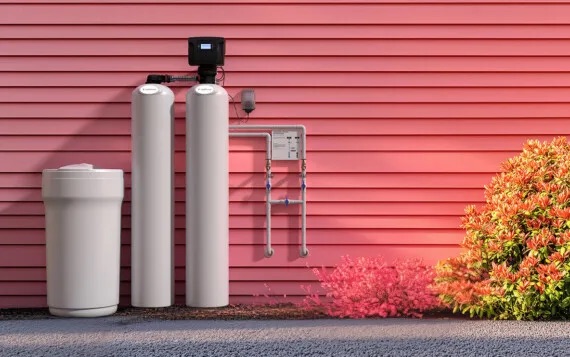
Water Treatment Solutions
Different water problems need different solutions. Understanding which category you need is more important than choosing a specific brand.
The water treatment industry is worth $20 billion. A lot of that goes to selling equipment people do not need. Before browsing products, understand the categories. A softener solves hard water. A filter solves contaminants. A conditioner prevents scale without removing minerals. Reverse osmosis provides the most thorough drinking water purification. Start with your city's data, then match the solution to the problem.
Salt-Based Water Softeners
Ion exchange systems that remove calcium and magnesium from hard water. The gold standard for eliminating scale buildup.
Salt-Free Water Conditioners
TAC systems that prevent scale without removing minerals. Zero maintenance, no salt, no waste water.
Whole House Water Filters
Carbon and KDF filtration systems that remove chlorine, PFAS, VOCs, and other chemical contaminants from every tap.
Reverse Osmosis Systems
Under-sink or whole-house systems that remove up to 99.9% of dissolved solids. The purest drinking water possible.
Filter + Softener Combos
All-in-one systems that combine filtration and softening. One purchase, complete water treatment.
Pitcher Filters
Affordable, portable filtration for renters and targeted contaminant removal.
Gravity Filters
No-install, no-electricity water purification for off-grid and emergency use.
Under-Sink Filters
Point-of-use filtration for drinking and cooking water at the kitchen tap.