Nitrate
Nitrate in water explained: sources, EPA limit (10 PPM), health risks for infants and adults, testing methods, and why reverse osmosis is the recommended treatment.
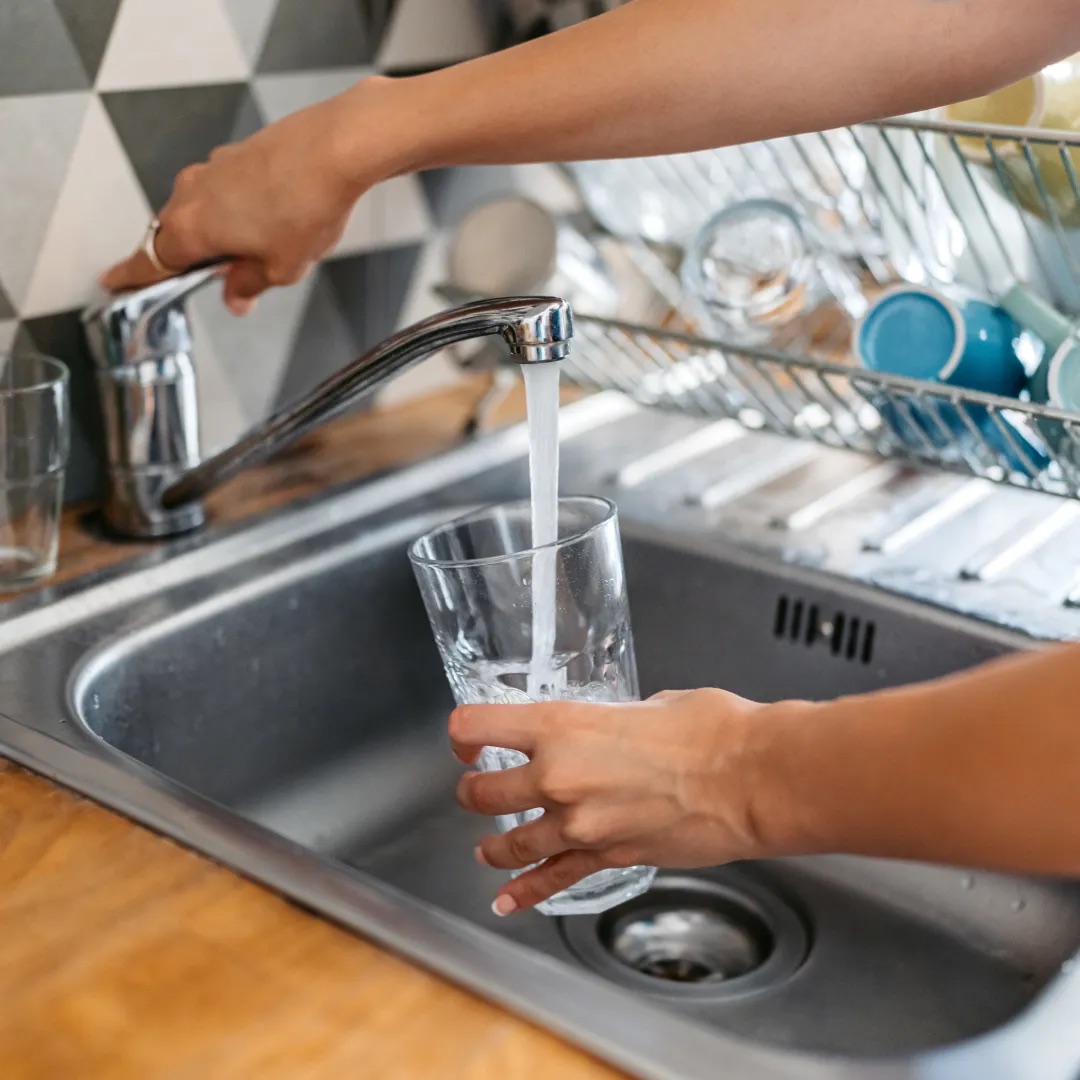
Nitrate is a common groundwater contaminant from agricultural runoff and fertilizers. The EPA limit is 10 PPM. At levels above this, nitrate is dangerous for infants (blue baby syndrome) and pregnant women. Reverse osmosis is the most reliable home treatment. Standard carbon filters do not remove nitrate.
What is Nitrate?
Nitrate (NO3) is a nitrogen compound that occurs naturally in small amounts but reaches harmful concentrations in water primarily through agricultural activity. It is one of the most common groundwater contaminants in the United States, particularly in farming regions. Nitrate is highly soluble and moves easily through soil into groundwater.
Is Nitrate Dangerous?
The primary acute risk is methemoglobinemia (blue baby syndrome) in infants under 6 months. Nitrate converts to nitrite in the infant digestive system, which interferes with the blood's ability to carry oxygen. This can be fatal if untreated. In adults, emerging research associates long-term nitrate exposure with increased risk of colorectal cancer, thyroid disease, and adverse birth outcomes. The evidence for adult health effects is growing but not yet conclusive enough for the EPA to lower the MCL.
EPA MCL is 10 mg/L (PPM) measured as nitrate-nitrogen.
How to Identify Nitrate in Your Water
Home test strips for nitrate ($10 to $20) provide screening-level results. Laboratory testing provides precise measurements. Well water users should test for nitrate at least annually, especially in agricultural areas.
How Nitrate Is Regulated
The EPA MCL for nitrate (as nitrogen) is 10 mg/L (PPM). This standard has not changed since it was established in 1991. It was set primarily to prevent blue baby syndrome and does not account for emerging research on adult health effects at lower levels.
| Standard | Limit | Notes |
|---|---|---|
| EPA MCL | 10 PPM | EPA MCL is 10 mg/L (PPM) measured as nitrate-nitrogen. |
| Health Guideline (MCLG) | 10 PPM | Health-based target; not enforceable |
How to Remove Nitrate
- Reverse Osmosis Recommended — 80% to 95% removal · Single tap
- Ion Exchange (specialized) — 90%+ removal with nitrate-selective resin · Whole house or point of use
Nitrate Levels in US Cities
| City | State | Level | Rating |
|---|---|---|---|
| Kennett Square | PA | 6.93 PPM | Moderate |
| Moreno Valley | CA | 6.49 PPM | Moderate |
| Buckhead | GA | 6.11 PPM | Moderate |
| Goodyear | AZ | 6.05 PPM | Moderate |
| Maricopa | AZ | 6.03 PPM | Moderate |
| Waterloo | IA | 5.88 PPM | Moderate |
| San Tan Valley | AZ | 5.81 PPM | Moderate |
| Janesville | WI | 5.77 PPM | Moderate |
| Casa Grande | AZ | 5.65 PPM | Moderate |
| Gilroy | CA | 5.55 PPM | Moderate |
| Riverside | CA | 5.54 PPM | Moderate |
| Corona | CA | 5.54 PPM | Moderate |
| Norwalk | CA | 5.53 PPM | Moderate |
| Norwalk South | CA | 5.53 PPM | Moderate |
| West Covina | CA | 5.42 PPM | Moderate |
| Valencia | CA | 5.42 PPM | Moderate |
| Dodge City | KS | 5.27 PPM | Moderate |
| Garden City | KS | 5.18 PPM | Moderate |
| Modesto | CA | 5.12 PPM | Moderate |
| Turlock | CA | 5.09 PPM | Moderate |
Top 20 of 73 cities above 3 PPM in our database of 1000 cities. Look up your city.
Frequently Asked Questions
Does boiling remove nitrate?
Do carbon filters remove nitrate?
Is bottled water safe from nitrate?
Sources
- EPA Nitrate MCL — EPA limit
- WHO Nitrate in Drinking-water Guidelines — Health effects
- USGS Nitrate in Groundwater — Agricultural source