Arsenic
Arsenic in water explained: natural sources, EPA limit (10 PPB), cancer and health risks, testing methods, and why reverse osmosis is the recommended treatment.
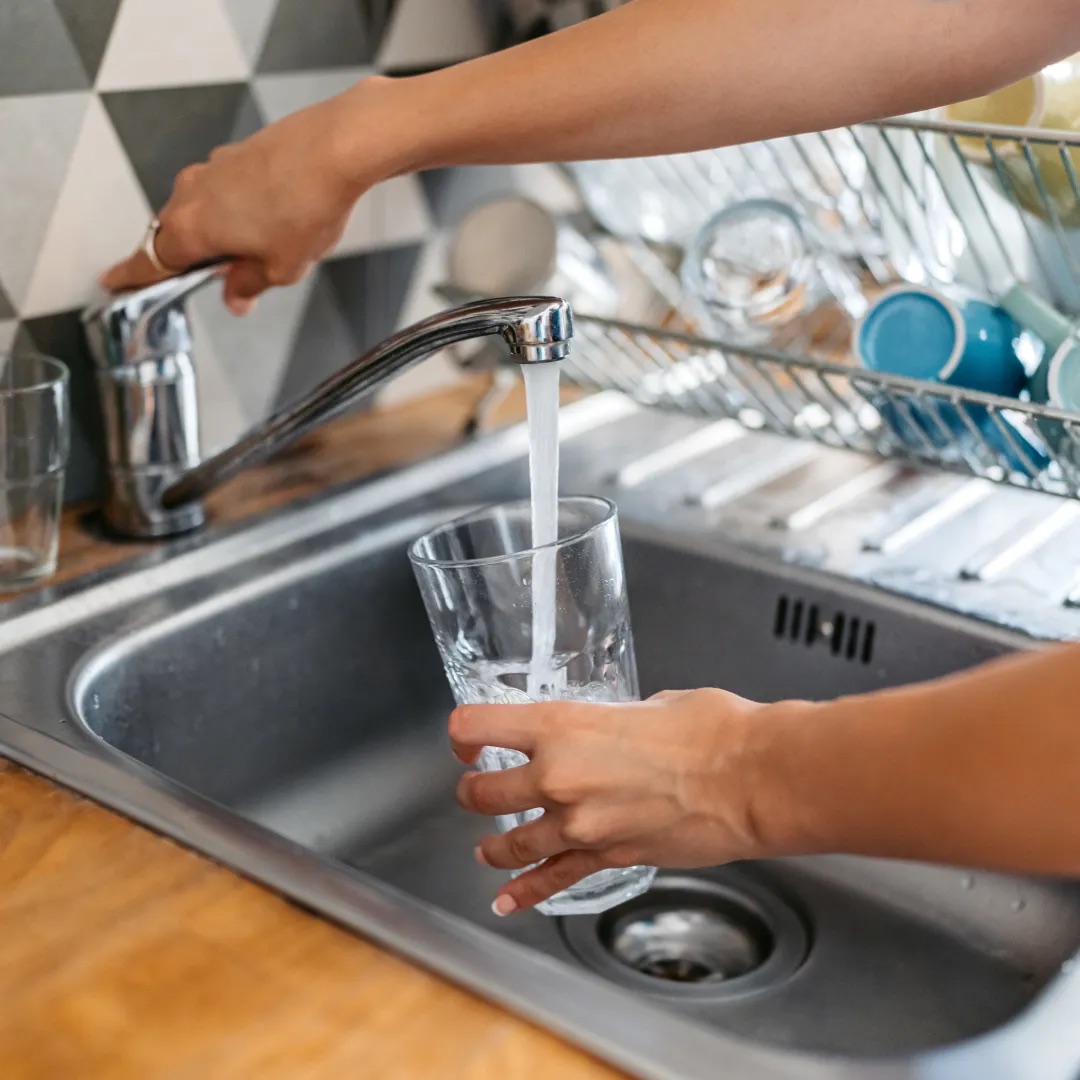
Arsenic is a naturally occurring toxic element found in groundwater across many US regions. The EPA limit is 10 PPB but the health goal is zero. Long-term exposure increases cancer risk. Reverse osmosis is the most effective home treatment. Standard carbon filters do not remove arsenic.
What is Arsenic?
Arsenic is a naturally occurring element found in rock formations worldwide. Inorganic arsenic, the form found in water, is a known human carcinogen. It dissolves into groundwater from natural geological deposits and can also enter water from industrial processes, mining, and agricultural chemicals. Arsenic is odorless, tasteless, and colorless in water.
Is Arsenic Dangerous?
Long-term exposure to arsenic in drinking water is associated with increased risk of skin, bladder, lung, kidney, and liver cancer. Non-cancer effects include cardiovascular disease, diabetes, skin lesions, and neurological effects. The EPA classifies inorganic arsenic as a Group A human carcinogen. Health risks are dose-dependent but present even at low concentrations, which is why the MCLG is set at zero.
EPA MCL is 10 PPB. The MCLG is zero, meaning no level is considered safe.
How to Identify Arsenic in Your Water
Laboratory testing is required. Home test kits for arsenic exist but are less reliable than lab analysis. EPA Method 200.8 (ICP-MS) is the standard laboratory method. Well water users in arsenic-prone regions should test at least once and periodically thereafter.
How Arsenic Is Regulated
The EPA MCL for arsenic is 10 PPB, effective since 2006. The MCLG is zero. Some states have adopted stricter limits. New Jersey set a state MCL of 5 PPB. The WHO guideline is also 10 PPB but notes that the health-based target should be as low as reasonably achievable.
| Standard | Limit | Notes |
|---|---|---|
| EPA MCL | 10 PPB | EPA MCL is 10 PPB. The MCLG is zero, meaning no level is considered safe. |
| Health Guideline (MCLG) | 0 PPB | Health-based target; not enforceable |
How to Remove Arsenic
- Reverse Osmosis Recommended — 90% to 97% removal of arsenic V; arsenic III requires pre-oxidation · Single tap
- Specialized Adsorptive Media — 90%+ removal with iron-based media · Whole house or point of use
Frequently Asked Questions
Does boiling remove arsenic?
Do carbon filters remove arsenic?
Is arsenic only a well water problem?
Sources
- EPA Arsenic in Drinking Water — Cancer classification
- WHO Arsenic Fact Sheet — Health effects
- USGS Arsenic in Groundwater — Geographic prevalence